Children’s Dental Crowns in Newnan, GA
At Growing Grins Pediatric Dentistry, we provide gentle and effective pediatric dental crowns in Newnan, GA to protect and restore your child’s smile. Led by Dr. Ashlee Turner-Lee, a board-certified pediatric dentist, our goal is to make every dental visit feel comfortable and stress-free. Our kid-centered environment, playful atmosphere, and advanced technology help children stay relaxed while we preserve their oral health. If you are concerned about cavities or have been told your child needs a crown, our team is here to guide you every step of the way. Same-day appointments are also available for urgent situations.
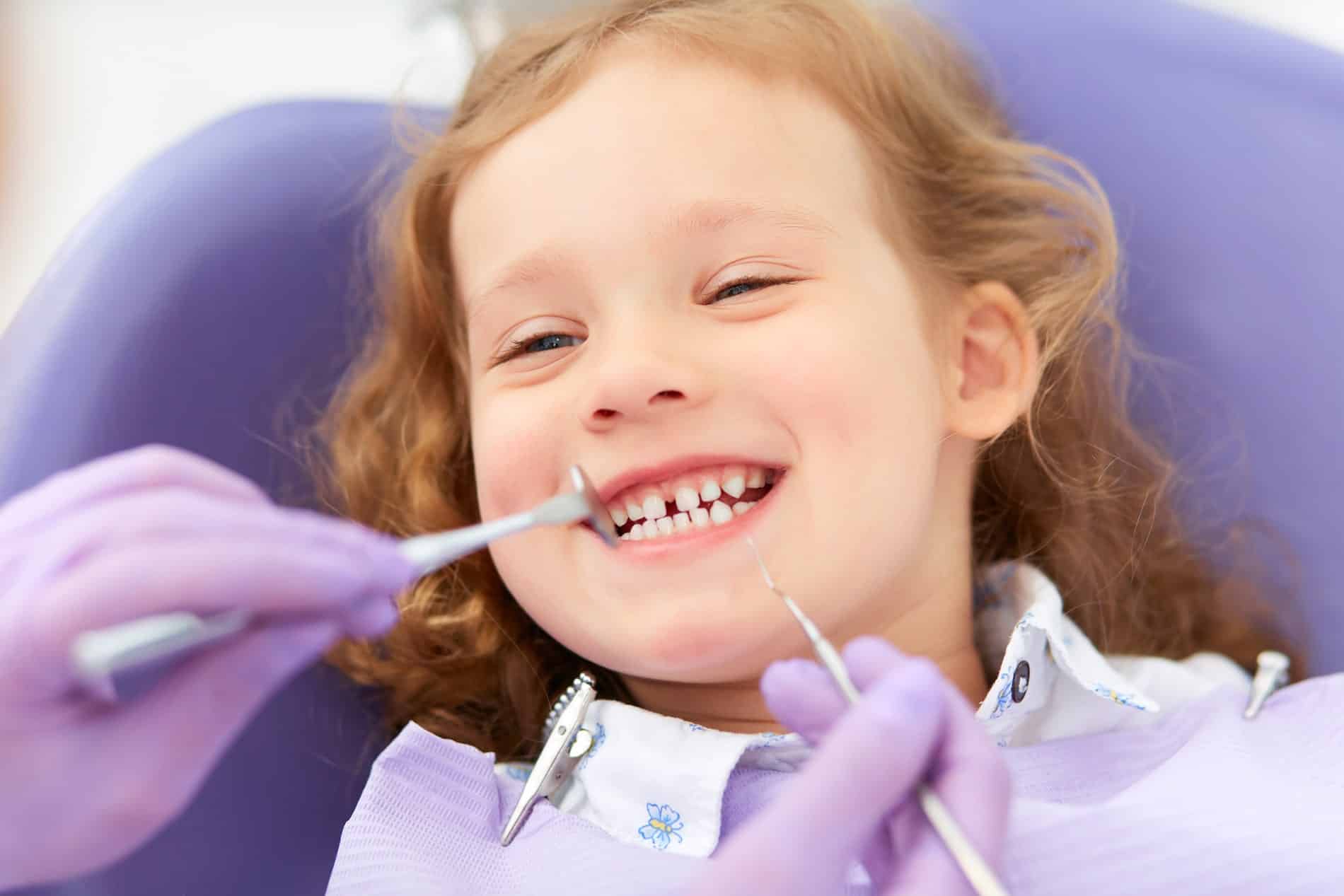
What Are Pediatric Dental Crowns and Why Might My Child Need To Get One?
A pediatric dental crown is a small, protective cap that fits over a damaged baby tooth. Baby molars stay in your child’s mouth until they are around 10 to 12 years old, which means they must withstand years of chewing, grinding, and daily wear. When cavities are large or the tooth structure is weak, a crown gives the tooth the strength it needs to last until it naturally falls out. At Growing Grins, crowns are the recommended pediatric treatment when a filling will not be strong enough to protect the tooth. Our approach keeps your child comfortable and ensures that the crown blends naturally into their smile.
When Are Dental Crowns Needed for Baby Teeth?
Crowns are often recommended for:
- Large or deep cavities
- Cavities that affect multiple surfaces of a tooth
- Back molars that receive heavy chewing pressure
- Situations where a child cannot sit for a long, traditional procedure of fillings
- Parents who prefer a less invasive treatment such as the Hall crown technique (meaning no drilling and no numbing!)
- Front teeth where white zirconia crowns prevent discoloration over time
Baby teeth may look small, but they play a big role in speech, chewing, nutrition, and holding space for future permanent teeth. Placing a crown helps keep your child’s mouth healthy and reduces the risk of future dental problems.
How Do I Know If My Child Needs a Dental Crown Instead of a Filling?
A children’s dental crown may be better than a filling if:
- You can see a large cavity in your child’s mouth
- Your child is experiencing dental pain
- Several surfaces of the tooth are involved
- The remaining tooth structure is too weak to hold a filling
If you are unsure, our team can evaluate the tooth and recommend the most conservative and effective dental treatment.
How Long Do Pediatric Dental Crowns Last?
Most crowns for teeth stay in place until the baby tooth naturally falls out. Back baby molars typically remain until ages 10 to 12, so durability is important. Factors like tooth grinding, cavity size, and chewing habits can affect longevity, but both stainless steel and zirconia dental crowns are designed to be strong, long-lasting options for children.
How Is a Pediatric Dental Crown Placed on a Baby Tooth?
Traditional Pediatric Crown Placement
For traditional crowns, Dr. Ashlee uses gentle techniques and an electronic injection pen to ensure comfortable numbing when needed. The tooth is shaped for the crown, fitted, and cemented with “tooth glue”. Most traditional crown placements take 5 to 10 minutes, depending on cooperation and the extent of decay.
Hall Crown Technique
The Hall technique is a popular option for children who prefer a simpler, quicker approach. It requires:
- No numbing
- No drilling
- Orthodontic separators, or “Barbie donuts or “Army men donuts to create space
- A crown that is gently placed over the tooth and cemented with “tooth glue”
This technique is especially helpful for anxious children, young patients, or families who want to avoid IV sedation or nitrous. The procedure typically takes only a couple of minutes.
What Are the Benefits of Pediatric Crowns Compared to Extractions?
Choosing a tooth crown instead of removing the tooth offers many advantages:
- Holds space for the future permanent tooth
- Supports healthy speech development
- Protects your child’s ability to chew comfortably
- Prevents shifting and bite alignment problems
- Avoids complications that can follow early extraction
A crown lets your child keep their natural tooth, which is almost always the preferred choice whenever possible.
Are Pediatric Crowns Necessary If the Tooth Will Fall Out Eventually?
In most cases, yes. Baby molars typically stay in the mouth for many years after a cavity forms. Even if the tooth will eventually fall out, untreated decay can lead to pain, infection, or damage to the nearby permanent tooth. Our recommendation is always based on how long the tooth is expected to remain in your child’s mouth and what will keep them healthiest and most comfortable.
How Do I Care for My Child’s Dental Crown After the Appointment?
Caring for a dental crown is simple. Treat it just like a regular tooth:
- Brush twice a day
- Floss regularly
- Avoid sticky or chewy foods
- Keep up with routine checkups
Consistent oral hygiene keeps the crown stable and helps protect the surrounding teeth.
What Should My Child Eat After Getting a Crown, and What Foods Should We Avoid?
Your child may have mild gum tenderness after receiving a crown. Soft foods are best on the first day. Avoid:
- Sticky candies like Laffy Taffy, gummies, and Tootsie Rolls
- Gum
- Hard, crunchy foods
These foods can loosen or dislodge a crown. Softer textures reduce discomfort and help the crown settle properly.
How Do Pediatric Crowns Help Prevent Future Dental Problems?
A crown fully covers the tooth, which blocks new cavities from forming on the treated surfaces. It also keeps food from packing between the baby and permanent tooth. By protecting the tooth, a crown reduces the likelihood of additional dental work and supports long-term oral health.
Can a Pediatric Crown Fall Off, and What Should I Do If It Does?
Yes, crowns can come off, especially if a child eats sticky or hard foods. If the crown falls off:
- Call our office right away
- We will examine the tooth and take an X-ray
- If the baby tooth is close to falling out naturally, a replacement crown may not be necessary
- If the tooth is not close to exfoliating, we may replace the crown or recommend another treatment
Sometimes a loose crown can signal that the tooth underneath has changed or that decay has progressed. A prompt evaluation helps avoid discomfort and infection.
How Much Do Children’s Dental Crowns Cost in Newnan, GA?
The cost of affordable dental crowns depends on the type of crown, the extent of decay, and your insurance plan. Our team provides clear, upfront information, accepts many insurance plans, and offers guidance so parents can make confident decisions. Investing in a crown often prevents future dental issues that may require more complex care.
How Do I Prevent My Child From Needing Another Dental Crown in the Future?
Healthy habits make a big difference. We recommend:
- Regular brushing and flossing
- BPA-free sealants for cavity-prone teeth
- Dental cleanings every six months
- Smart snacking choices
- Early treatments when needed
- Growth and development monitoring by Dr. Ashlee
These steps work together to reduce the risk of future cavities.
Why Choose Growing Grins Pediatric Dentistry for Dental Crowns in Newnan, GA?
-
Families trust our practice because we offer:
- A board-certified pediatric dentist
- A gentle, kid-centered approach
- Needle-free treatment options
- Hall crown technique for less invasive care
- A sensory-considerate, playful environment
- Modern digital X-rays and child-friendly technology
- Expertise with children of all ages, including individuals with special needs
- Same-day appointments for urgent crown concerns
Our goal is to support both your child’s health and their confidence, one visit at a time.
Schedule Your Child’s Visit for Pediatric Dental Crowns in Newnan, GA
If you think your child may need a crown or you have questions about restoring a damaged tooth, we are here to help. Give our office a call or book online to schedule your child’s next visit. Our team is committed to gentle care, clear communication, and creating happy dental experiences for every child.